Part 3: The Steps Toward Freedom
The hours after the emergency room changed the way I saw my entire life. I had spent years believing that protecting a marriage meant enduring difficult moments, finding compromises, and forgiving mistakes. But that day taught me something I had forgotten: protecting myself was not an act of selfishness.
It was an act of survival.
With guidance from my attorney and after speaking with law enforcement, I began taking careful steps to protect my safety, my future, and the inheritance my parents had worked so hard to preserve.
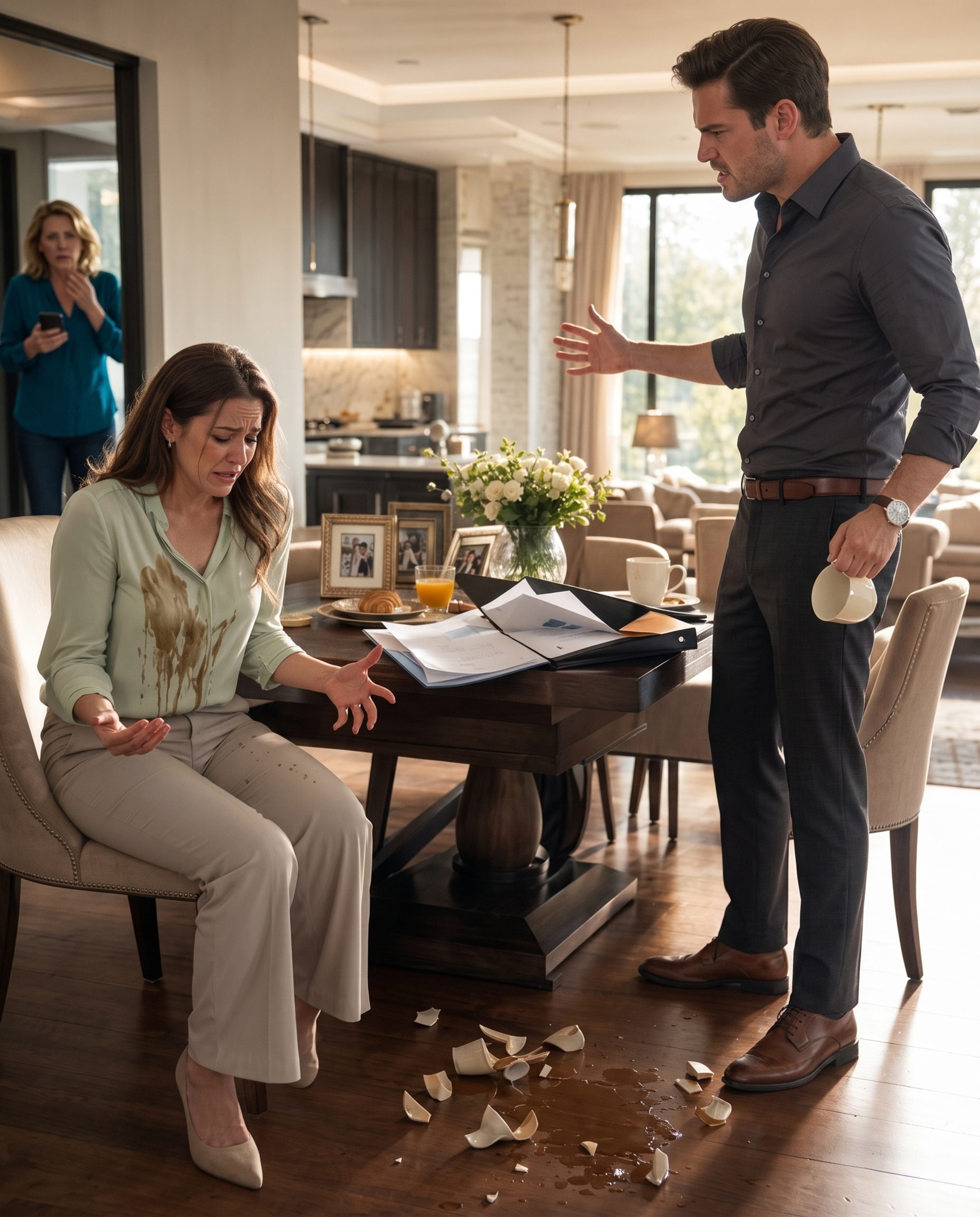
There was no dramatic escape.
There was no angry confrontation.
There was no attempt to destroy Brian’s life.
Instead, there was patience, planning, and careful action.
My financial adviser confirmed what my father had arranged years earlier. The trust structures remained intact, and the inherited assets were still under my sole control. Brian had no authority over those accounts.
Hearing that gave me a strange mixture of relief and sadness.
I felt relieved because my parents’ planning had protected me.
I felt sad because I finally understood why my father had been so careful.
He had known that love alone was not always enough to protect a person.
Sometimes preparation was another form of love.
The first thing my attorney recommended was securing my personal information. Passwords were changed. Two-factor authentication was updated. Authorized contacts were reviewed. Every account connected to my finances was carefully checked.
Each step felt small, but together they represented something much bigger.
I was taking back control.
For years, I had believed marriage meant becoming part of another person’s world. I never imagined there would come a day when I would need to protect myself from the person who was supposed to stand beside me.
My attorney also arranged for me to retrieve my personal documents and meaningful belongings from the house safely. I was not going back alone.
That detail mattered.
The old version of me might have walked through that door hoping for an apology.
The new version of me understood that hope without protection could become another danger.
When I finally returned to collect my things with proper assistance, I looked around the home where I had spent years building memories.
The walls were familiar.
The furniture was familiar.
The photographs were familiar.
But the feeling was gone.
A place that once represented comfort now felt like a place where I had ignored too many warning signs.
I collected my parents’ photographs, important documents, family keepsakes, and the small items that carried emotional meaning.
Those things were priceless to me.
Not because of their financial value.
Because they connected me to the people who had loved me before anyone tried to measure my worth by what I could provide.
Every action was documented.
Every decision followed legal advice.
I was not trying to create drama.
I was trying to create safety.
Meanwhile, Brian and Amanda seemed to believe I would eventually return.
They misunderstood my silence.
They thought I was angry.
They thought I needed time to calm down.
They did not understand that I was no longer deciding whether to forgive.
I was deciding how to move forward.
Later, through court documents and testimony, I learned what happened when Brian and Amanda returned home that afternoon.
They expected to find the same woman they had left behind.
They expected me to still be waiting.
Instead, they found a house that felt strangely different.
Not empty.
Just quiet.
The important personal documents were gone.
The family keepsakes connected to my parents were gone.
The office filing cabinet, once filled with my records, was nearly empty.
The safe that had held some of my belongings stood open.
Inside remained only items that belonged jointly to the household or things that had no personal importance to me.
Brian walked through the house searching for evidence that I had been trying to punish him.
But the truth was much simpler.
I was not taking revenge.
I was protecting myself.
On the dining room table sat one sealed envelope.
Nothing else.
No angry note.
No accusations.
No emotional argument.
Just one envelope.
Brian picked it up.
He looked at Amanda.
Neither of them knew what was waiting inside.
And when he opened it, he finally discovered that the woman he thought he could control had already made the most important decision of her life.
Part 4: The Letter That Changed Everything
Inside the envelope was a letter addressed only to Brian.
I later imagined him reading those words in the same house where he once believed he had complete control over my future.
The letter was not filled with hatred.
It was not written from a place of revenge.
It was written from a place of clarity.
My father had taught me that the strongest decisions were often made quietly.
I followed that lesson.
The letter began:
“Brian,”
“The money you wanted was never the most valuable thing my parents gave me.”
I imagined him stopping after that sentence.
Perhaps he expected anger.
Perhaps he expected blame.
But the truth was something deeper.
My parents had given me more than financial security.
They gave me values.
They taught me patience.
They taught me independence.
They taught me that dignity was something no amount of money could replace.
The letter continued:
“They also taught me never to stay where love is replaced by fear.”
That sentence carried everything I had struggled to understand.
For months, I had wondered how someone who claimed to love me could treat me this way.
But the answer was painfully simple.
Love cannot survive where fear becomes the foundation.
I wrote that my attorney would communicate with him from that point forward.
I made it clear that I did not want direct contact except through legal channels.
Attached to the letter were copies of the emergency protective order and official notice that divorce proceedings had begun.
The envelope did not contain revenge.
It contained boundaries.
It contained the first real decision I had made for myself in a long time.
When Brian read that letter, he lost something he had never expected to lose.
Not my money.
Not my inheritance.
Control.
That was what he wanted.
The money was only the method.
The control was the goal.
The following months were some of the hardest months of my life.
Healing was not a straight line.
Some mornings, I woke up feeling strong.
Other mornings, I questioned everything.
I wondered how I had missed the warning signs.
I wondered whether I could have prevented what happened.
I wondered if my marriage had been broken long before that morning.
But slowly, with support from trusted people and professional guidance, I began rebuilding myself.
The legal process moved forward.
The criminal case proceeded based on evidence collected by investigators, medical professionals, and witnesses.
I allowed the system to do its work.
I did not chase revenge.
I did not want to destroy Brian.
I wanted safety.
There was a difference.
Revenge keeps you connected to the person who hurt you.
Healing allows you to walk away.
The divorce process also moved forward according to the law. My inherited assets remained protected because of the careful arrangements my parents had created years before.
For the first time, I understood that my father’s planning was not only about money.
It was about freedom.
He had given me the ability to rebuild without being trapped by financial fear.
But even then, I realized something important.
The inheritance did not save me.
The money created options.
But the decision to leave came from somewhere else.
It came from courage.
It came from finally believing that I deserved safety.
It came from accepting help instead of hiding pain.
Months passed.
Slowly, the nightmares became less frequent.
The fear became quieter.
The memories remained, but they no longer controlled me.
I started creating a new routine.
I returned to activities I had abandoned.
I spent more time with people who reminded me who I was before the marriage.
I learned that healing was not about forgetting the past.
It was about refusing to let the past define the future.
Nearly a year later, I returned to a place I had not visited since my parents passed away.
A small lakeside cabin where my family spent every summer.
I thought I was going there to remember them.
I did not know I would find the final lesson they left behind.